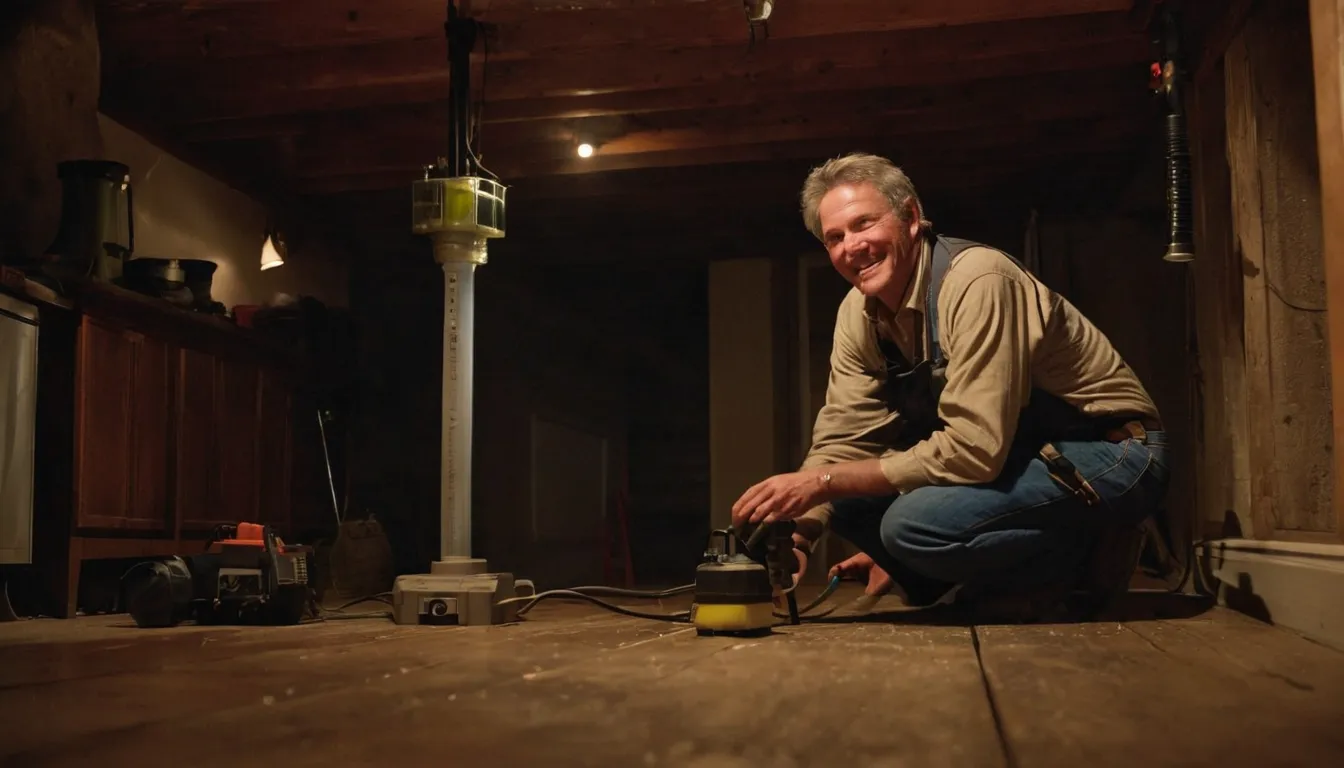
Termite Treatment for Homeowners
Compare termite quotes, no obligation
Termites are quiet. They feed inside wood and soil, so the first sign is often a small clue, like a mud tube or a pile of wings. Recentjim Pest Control is a referral service. We connect homeowners in the Aurora area with independent providers in our network who inspect, identify the species, and treat the problem.
Treatment prices swing a lot. House size, termite type, and the method all matter. That is why we encourage you to quote in writing and compare before committing. Ask each provider what is covered, what the renewal costs, and why they picked their method. The choice is yours, and there is no obligation.
Think You Have Termites? Start Here
Found swarming insects, mud tubes or soft wood? Act soon, but do not panic. Termites work slowly, yet the damage adds up each month. A proper inspection tells you what you really have. Then you can compare written quotes and decide at your own pace.
Look for These Signs
Walk your basement, crawl space and garage first. Check these spots:
- Pencil-wide mud tubes on foundation walls or floor joists
- Piles of discarded wings near windows or sills
- Wood that sounds hollow when you tap it
- Bubbling paint or doors and windows that suddenly stick
- Tiny pellets under a wood surface, which can point to drywood termites
Do Not Mix Them Up with Flying Ants
Winged ants and winged termites look alike. Termites have straight antennae, a thick waist and wings of equal length. Snap a clear photo or save a few insects in a jar. A provider can identify them quickly.
Why Termites Need Prompt Attention
A colony feeds constantly and hides inside wood and soil. By the time you see signs, it may have been active for a while. Repairing beams, sills and subfloors usually costs far more than treatment. Waiting is rarely the cheaper choice.
Damp Basements Invite Them
Spring flooding, wet basements and sump pump trouble give termites the moisture they like. Frame houses from many decades ago often have wood close to soil. Fix leaks and keep gutters clear while you sort out treatment.
Cold Winters Do Not Solve It
Deep frost pushes colonies lower in the ground. Many stay close to a warm foundation. Hot, humid summers then bring swarms back to the surface.
Types of Termites
Subterranean termites are very common across the U.S. They nest in soil and build mud tubes. Drywood termites live inside the wood and are less common in cold climates. Dampwood termites favor wet, rotting timber. The type changes the method and the price, so ask the provider to name it.
How Termite Treatment Works
Inspection First
The provider checks the foundation, crawl space, attic and any wood touching soil. Ask for a written report with photos.
Liquid Barriers
A treated zone is placed in the soil around and under the structure. Providers may trench along the foundation or drill near slab edges. Expect some digging.
Bait Stations
Stations around the home draw foraging termites to a slow-acting bait. This route often takes months and needs follow-up visits. Monitoring fees may apply.
Spot and Wood Treatments
Foams and local treatments reach small drywood problems. Treating a whole structure with tenting or heat is a bigger job and costs more.
Compare Methods Without Pressure
No method wins on every house. Barriers act on soil colonies. Baits suit homes where drilling is hard. Ask each provider why they chose their method for your house. Quote in writing, then line up scope, product, warranty terms and renewal fees side by side. You are never obligated to accept any of them.
Choosing a Termite Provider
Questions Worth Asking
- "Are you licensed in my state?" A good answer is a clear yes, with a license number you can check.
- "What species do I have, and how do you know?" A good answer names the type and points to evidence.
- "What does the quote include?" Look for treated areas, product names and repair terms.
- "What will renewal cost?" A good answer states the yearly fee up front.
Red Flags to Watch
- Pressure to sign today
- A price given without looking at the house
- Vague product names or no written scope
- Scare tactics or promises to wipe out every termite
- Large upfront payments or cash-only demands
Termite Inspections for Home Sales
A buyer's lender may ask for a wood-destroying insect report. If you are selling a bungalow or older ranch, consider inspecting before you list. Early findings give you time to treat and compare prices instead of rushing before closing. Buyers can ask for the report and any treatment records.
After Treatment
What to Expect
Some termites may linger for a few weeks as treatment works. Leave mud tubes alone until the provider says it is okay. Keep the paperwork, product names and any warranty terms in one folder.
Standard policies often exclude termite damage. Some policies may cover sudden damage from other causes, so check your policy. Providers can often help document damage for a claim.
Keep Them from Coming Back
- Keep mulch, firewood and lumber away from the foundation
- Fix leaks and test your sump pump each spring
- Point downspouts well away from the house
- Schedule a yearly inspection
Ready to Compare Quotes?
Request a callback to check provider availability in your area. Then collect two or three written quotes and take your time.
What's Included
Full Inspection
A provider checks the foundation, crawl space and attic, then explains what they found in writing.
Species Check
Identifying the termite type helps decide the method and keeps quotes fair.
Treatment Plan
Barrier, bait or spot treatment, matched to your house, with the products named in writing.
Follow-Up Options
Many providers offer yearly checks and renewals. Ask what they cost before you sign.
Typical Termite Treatment Costs
Prices vary by home size, termite type and method. These are typical U.S. ranges only. Get a written quote from each provider, and ask what is not included.
| Service | Typical range | Notes |
|---|---|---|
| Inspection report | $75 – $300 | Often needed for home sales |
| Liquid barrier treatment | $1,200 – $3,500 | Depends on foundation length |
| Bait station system | $1,500 – $3,000 | Slower, with monitoring visits |
| Spot or wood treatment | $250 – $900 | Suits small, local areas |
| Whole-structure tenting or heat | $1,200 – $4,000 | For drywood in larger infestations |
| Yearly renewal or monitoring | $100 – $400 | Ask if it is required |
How It Works
Share Your Signs
Tell us what you found, such as mud tubes, wings or soft wood, and where.
Get Matched
We connect you with an independent provider in our network. Request a callback to check availability.
Compare Quotes
Review scope, method and renewal fees in writing. Ask your questions.
Decide Calmly
Choose the provider and plan that fit your home and your budget.
Why Call Recentjim Pest Control
Compare Before Committing
Two or three written quotes show you what is fair and what a provider leaves out.
Clear Answers
Providers in our network can explain species, method and price in plain words, so you can decide calmly.
No Pressure
You choose whether to go ahead. Requesting an estimate carries no obligation.
Local Know-How
Local providers understand basements, frost and spring moisture in area homes.
Other Services
Need termite treatment in Aurora?
Tell us what you are seeing at home. Send a request, or Request a callback to check provider availability, then compare your options with no obligation.
No obligationTermite Treatment FAQ
How much does termite treatment cost?
Most jobs fall between a few hundred and a few thousand dollars. Home size, termite type and method all change the price. Get a written quote from more than one provider before you decide.
Can I treat termites myself with store-bought products?
Store products may kill a few visible insects, but they rarely reach the hidden colony in soil or wood. A provider can find the source and choose a method. Compare quotes before deciding.
How do I know if the termites are still active?
Fresh mud tubes, live insects and new wings are signs of activity. Old damage can look the same, so ask a provider to inspect.
Get in touch
Tell us what you are seeing at home. Send a request, or Request a callback to check provider availability, then compare your options with no obligation.
No obligation